
2026년 새해부터 달라지는 금융제도 완벽 분석 총정리
2026년은 대한민국 금융 시장에 있어 구조적인 대전환이 이루어지는 해가 될 전망입니다. 고금리 기조가 안정을 찾아가는 가운데, 금융 소비자의 권익을 보호하고 디지털 금융 소외 계층을 포용하기 위한 강력한 정책들이 대거 시행됩니다. 특히 그동안 ‘깜깜이’라고 비판받아온 중도상환수수료의 전면적인 개편과 은행 점포 폐쇄의 대안으로 떠오른 은행대리업의 도입은 우리 실생활에 즉각적인 영향을 미칠 중대한 사안입니다. 본 포스팅에서는 2026년부터 적용될 핵심적인 금융 제도 변화를 심층적으로 분석하고, 이를 통해 독자 여러분이 어떻게 자산을 관리하고 비용을 절감할 수 있을지 구체적인 가이드를 제시합니다.
1. 중도상환수수료의 ‘실비용’ 반영 의무화
금융 소비자들이 가장 불합리하게 느꼈던 ‘중도상환수수료’ 제도가 2026년을 기점으로 완전히 바뀝니다. 기존에는 은행들이 대출 조기 상환에 따른 자금 운용의 기회비용과 업무 비용을 포괄적으로 계산하여 일률적인 수수료율(통상 1.2%~1.4%)을 적용해 왔습니다. 그러나 금융위원회의 지침에 따라 앞으로는 실제로 발생하는 필수 비용(감정평가 수수료, 근저당 설정비, 인지세 등)과 최소한의 행정 비용만 수수료에 반영할 수 있게 됩니다. 이는 수수료 체계의 투명성을 높이고 소비자의 부담을 획기적으로 낮추는 조치입니다.
이러한 변화가 적용되면, 주택담보대출의 경우 중도상환수수료가 현재의 절반 수준인 0.6% 내외, 신용대출의 경우 그 이하로 떨어질 가능성이 높습니다. 특히 모바일이나 인터넷 뱅킹을 통해 대출을 상환할 경우, 창구 업무 비용이 발생하지 않으므로 수수료가 더욱 저렴해지거나 면제될 수 있는 길이 열립니다. 이는 대출 갈아타기(대환대출)를 고려하는 차주들에게 매우 유리한 환경을 조성하여, 금리 경쟁을 더욱 촉진할 것으로 예상됩니다. 2026년부터는 대출을 받을 때 중도상환수수료 산정 내역을 꼼꼼히 확인하고, 불필요한 비용이 청구되지 않았는지 점검하는 것이 필수적입니다.
Once applied, early repayment fees for mortgage loans are expected to drop to around half the current level, approximately 0.6%, and even lower for credit loans. In particular, repayments made via mobile or internet banking may see even lower fees or exemptions since no branch operational costs are incurred. This creates a highly favorable environment for borrowers considering refinancing, likely stimulating further interest rate competition. From 2026, it will be essential to carefully check the breakdown of early repayment fees when taking out a loan.
2. 은행대리업 공식 도입과 금융 접근성 확대
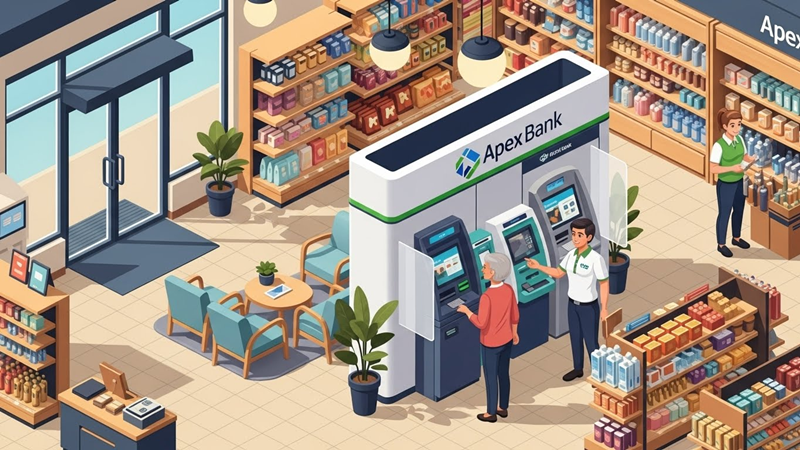
디지털 전환 가속화로 인해 시중은행 점포가 급격히 줄어들면서 발생하는 고령층 및 지방 거주민의 금융 소외 문제를 해결하기 위해, 2026년부터 은행대리업 제도가 본격적으로 활성화될 전망입니다. 은행대리업이란 은행이 아닌 제3자가 은행의 단순 업무를 위탁받아 수행하는 것을 말합니다. 기존에는 우체국 등 일부 기관에 한정되었으나, 이제는 편의점, 통신사 대리점, 혹은 핀테크 업체 오프라인 거점 등 다양한 채널이 은행 창구 역할을 수행할 수 있게 됩니다.
예를 들어, 집 앞 편의점에서 입출금 업무뿐만 아니라 통장 개설 신청, 간단한 대출 서류 접수, 공과금 납부 등의 업무를 처리할 수 있게 되는 것입니다. 이는 단순히 편의성을 높이는 것을 넘어, 은행들이 오프라인 점포 유지 비용을 절감하면서도 고객 접점을 유지할 수 있는 상생 모델로 평가받습니다. 금융당국은 대리업자의 자격 요건과 보안 기준을 엄격히 설정하여 금융 사고를 방지할 계획이며, 소비자는 은행 영업시간(오후 4시)에 구애받지 않고 더 늦은 시간이나 주말에도 기본적인 금융 서비스를 이용할 수 있는 길이 열릴 것입니다.
For instance, you might handle deposits, withdrawals, account opening applications, simple loan document submissions, and utility bill payments at a convenience store near your home. This is seen as a win-win model that enhances convenience while allowing banks to maintain customer touchpoints while reducing branch maintenance costs. Financial authorities plan to set strict qualification requirements and security standards for agents to prevent financial accidents, and consumers will gain access to basic financial services beyond standard banking hours, including late nights and weekends.
3. 스트레스 DSR 3단계 및 가계부채 관리 강화
가계부채 관리를 위한 고삐는 2026년에도 늦춰지지 않을 것입니다. 스트레스 DSR(총부채원리금상환비율) 제도가 최종 단계인 3단계 수준으로 정착되거나, 시장 상황에 따라 더욱 정교화된 모델이 적용될 것입니다. 스트레스 DSR은 미래의 금리 인상 가능성까지 고려하여 대출 한도를 산정하는 제도로, 3단계가 완전히 적용되면 대출 가능한 금액은 기존보다 10~20%가량 줄어들 수 있습니다. 이는 ‘영끌(영혼까지 끌어모아 대출)’ 투자를 억제하고 상환 능력 중심의 대출 관행을 정착시키려는 목적입니다.
특히 2026년에는 전세대출에도 DSR 규제가 일부 적용되거나, 유주택자의 전세 자금 대출에 대한 요건이 더욱 강화될 가능성이 큽니다. 따라서 내 집 마련이나 갈아타기를 계획 중인 분들은 달라지는 대출 한도를 미리 시뮬레이션해보고, 자금 조달 계획을 보수적으로 수립해야 합니다. 반면, 청년층과 신혼부부를 위한 정책 모기지 상품은 한도가 유지되거나 금리 혜택이 강화되는 ‘투트랙’ 전략이 유지될 것으로 보이므로, 해당 요건을 충족하는지 꼼꼼히 살피는 전략이 필요합니다.
In particular, there is a high possibility that DSR regulations will partially apply to Jeonse (lump-sum housing lease) loans or that requirements for homeowners seeking Jeonse loans will be strengthened in 2026. Therefore, those planning to buy a home or move must simulate changing loan limits in advance and establish conservative funding plans. Conversely, policy mortgage products for youths and newlyweds are likely to maintain limits or offer enhanced interest rate benefits under a ‘two-track’ strategy, so carefully checking eligibility is essential.
📌 2026 금융제도 변화 핵심 요약
- 중도상환수수료 인하: 행정 비용 등 필수 실비용만 반영, 수수료율 대폭 감소 예상.
- 은행대리업 도입: 편의점, 우체국 등에서 입출금 및 통장 개설 등 은행 업무 가능.
- 스트레스 DSR 강화: 대출 한도 축소 기조 유지, 상환 능력 위주의 심사 정착.
- 디지털 금융 포용: 고령층 및 지방 거주자를 위한 오프라인 금융 접점 확대.
Summary: Key changes include significant cuts to early repayment fees by charging only actual costs, the introduction of bank agencies in convenience stores for easier access, and stricter Stress DSR regulations to manage household debt.
